


1. The Global Shift in Paper Bag Procurement: Strategic Industry Context
The enterprise packaging landscape is undergoing a systemic paradigm shift driven by stringent global environmental regulations, evolving consumer preferences for eco-responsible luxury, and raw material engineering breakthroughs. Single-use plastic bans, including the European Union's Packaging and Packaging Waste Regulation (PPWR) mandates and North American plastic bag surcharges, have transformed custom paper bags from simple carrying vectors into strategic brand touchpoints and regulatory compliance assets.
Sourcing directors, procurement specialists, and global supply chain executives must evaluate paper bag suppliers not only on per-unit FOB pricing, but through a multi-dimensional matrix of material origin (FSC/PEFC certification), burst indices, edge crush strength, non-toxic water-based ink compliance, and carbon-neutral freight logistics. Modern commercial paper packaging demands precision manufacturing capable of handling high-speed automated folding, edge-reinforcement, laser die-cutting, and advanced surface finishes such as UV varnishing, foil hot-stamping, and soft-touch matte lamination.
Key Technical Procurement Insight
Switching from standard 120 GSM recycled paper to high-density 180+ GSM virgin Kraft board with reinforced turnover tops increases bag load-bearing capacities by up to 300% (from 4.5kg to over 15kg static weight limit), preventing bottom-burst failures and drastically improving consumer brand perception.
2. Structural Engineering & Technical Material Specifications
Understanding paper substrate mechanics is vital when procuring custom paper bags for retail, fashion, food service, or luxury gift markets. A reliable supplier offers full visibility into technical parameters including GSM (Grams per Square Meter), fiber composition, tear resistance, and bursting strength.
Substrate Options & Performance Benchmarks
- Natural Unbleached Kraft Paper (80 - 180 GSM): Highly sustainable with long, virgin wood fibers that provide exceptional tensile strength and tear resistance. Ideal for heavy-duty grocery bags, QSR takeaway, and eco-conscious apparel retail.
- White Bleached Kraft Paper (100 - 200 GSM): Offers a smooth, clean surface optimal for vibrant 4-color CMYK flexographic or offset printing. Widely specified for corporate promotional gift bags and cosmetics retail.
- Art Card / Coated Board (170 - 300 GSM): Provides maximum stiffness and premium tactile appeal. Essential for luxury retail packaging requiring matte/gloss lamination, deep embossing, spot UV coating, and reinforced top/bottom cardboards.
- Specialty Textured & Recycled Papers: Incorporating up to 100% Post-Consumer Waste (PCW) or agricultural waste fibers (sugar cane bagasse, hemp). Demands expert die-cutting and folding management due to shorter fiber lengths.
Tensile & Burst Testing
Top factories conduct rigorous Mullen Bursting Tests and ISO 1924-2 tensile tests to guarantee bottom gusset seal integrity under extreme humidity and physical stress.
Handle Attachment Science
Handle anchoring dictates weight limits. Options include twisted paper cords, braided cotton rope, die-cut handles, and flat folded paper strips attached with hot-melt poly-adhesives.
Non-Plastic Barrier Coatings
Transitioning from traditional PE/PP lamination to bio-based dispersion water coatings allows 100% repulpability while retaining moisture and grease resistance.
3. Manufacturing Technology Trends Shaping 2026 Procurement
Modern paper bag manufacturing is no longer a labor-intensive, slow conversion process. The world's leading factories leverage fully automated, roll-fed and sheet-fed conversion lines equipped with inline printing, handles insertion, gusset forming, and automated vision inspection systems.
Key Technological Innovations in Paper Bag Mills
- Inline High-Speed Flexo & Offset Lithography Integration: Modern roll-fed conversion machines print up to 8 colors inline at speeds exceeding 600 feet per minute, reducing production lead times by up to 40% compared to secondary process folding.
- Automated Handle Gluing & Reinforcement Patching: Precision hot-melt gluing units apply inner reinforcing patches simultaneously as handles are attached, guaranteeing uniform joint strength across millions of units.
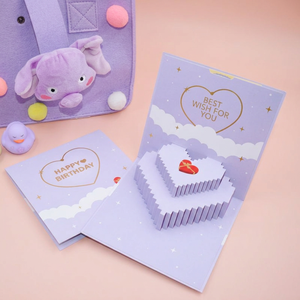
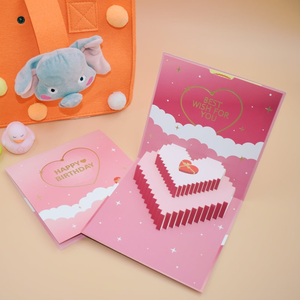
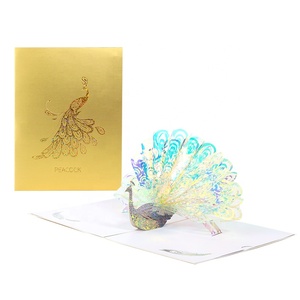
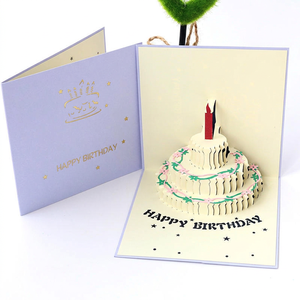
- 3D Die-Cutting & Complex Pop-Up Structural Integration: High-end luxury manufacturers (such as Joydi / MEIMAO Crafts) combine automated box/bag forming with specialized hand-finished 3D pop-up visual elements, creating high-value collectors' retail packaging.
- Digital Variable Data Printing (VDP) & QR Code Tracking: Enabling localized packaging campaigns, anti-counterfeiting serialization, and complete Scope 3 carbon supply chain tracking embedded directly onto the paper bag base.
4. Future Trends in Global Strategic Sourcing (2026-2030)
As corporate sustainability targets move from voluntary PR pledges to mandatory corporate ESG reporting (such as Europe's CSRD), supply chain directors must anticipate emerging packaging procurement trends:
A. Total Elimination of Plastic Lamination
Traditional glossy plastic films laminated onto paper bags impede repulpability at paper recycling mills. Market demand is rapidly shifting toward water-based dispersion varnishes, bio-wax coatings, and calendared high-density art papers that deliver high-gloss visual flair without compromising home-compostability or recyclability.
B. Nearshore Sourcing vs. High-Capability Offshore Hubs
While regional nearshoring reduces transit times for quick-turn replenishment, large-scale customized packaging requiring complex finishes, 3D structural elements, laser cutting, and specialized foil stamping remains heavily anchored in expert Asian manufacturing hubs like China. The optimal procurement strategy mixes high-volume automated regional suppliers with specialized overseas OEM partners for luxury promotional runs.
C. Circular Economy & Scope 3 Emissions Auditing
Tier-1 retail brands now demand full Life Cycle Assessments (LCA) for paper packaging. Leading suppliers provide precise CO2e calculations per thousand bags, factoring in forestry harvesting, pulp processing energy sources, water consumption indices, and sea/ocean freight carbon intensity.
5. Enterprise OEM Advantage & Manufacturing Excellence
Partnering with an established manufacturer like Joydi / MEIMAO Crafts provides brands with direct access to comprehensive paper engineering capabilities. Our production infrastructure combines state-of-the-art Heidelberg 6-color UV printing presses, automated die-cutting tables, specialized hot-stamping units, and strict ISO-compliant quality inspection protocols.
Whether you require high-volume standardized paper carrier bags or bespoke, highly intricate 3D structural packaging, our engineering team assists from structural CAD prototyping through mass manufacturing. Every batch undergoes rigorous humidity chamber testing, drop tests, and tensile load verification to ensure your packaging preserves your brand's reputation at point-of-sale.