
Independent UK publisher of artist-illustrated greeting cards, stationery & gifts
0%

Why Choose Engagement Greeting Cards for Your Business?

Engagement Greeting Cards give businesses a practical way to mark a deeply personal milestone. A couple opening a card at home may remember its message longer than a routine email. That emotional moment matters. Donald J. Hall, Jr., former Hallmark chief executive and a respected greeting-card industry leader, described greeting cards as “a way to communicate feelings that are difficult to express in person.” His observation explains their continuing value in business communication.

A well-chosen engagement card can strengthen relationships with customers, employees, suppliers, and professional partners. It can make a large company feel more attentive. It can also help a small business appear thoughtful without sounding overly commercial. Imagine a cream-colored card, handwritten names, and a short message arriving before the wedding planning becomes stressful. These details create warmth. They also show timing and care.

This article will examine how Engagement Greeting Cards support customer loyalty, employee appreciation, brand personality, and long-term relationship building. It will consider design, wording, personalization, and responsible business use. The approach should remain sincere. A card cannot repair poor service or replace genuine respect. That judgment can be wrong. Some recipients may prefer digital messages, while others may dislike branded materials. Businesses should therefore consider audience preferences, accessibility, cultural sensitivity, and environmental impact. The strongest card is not always the most expensive one. It is the one that feels appropriate, personal, and honestly written.
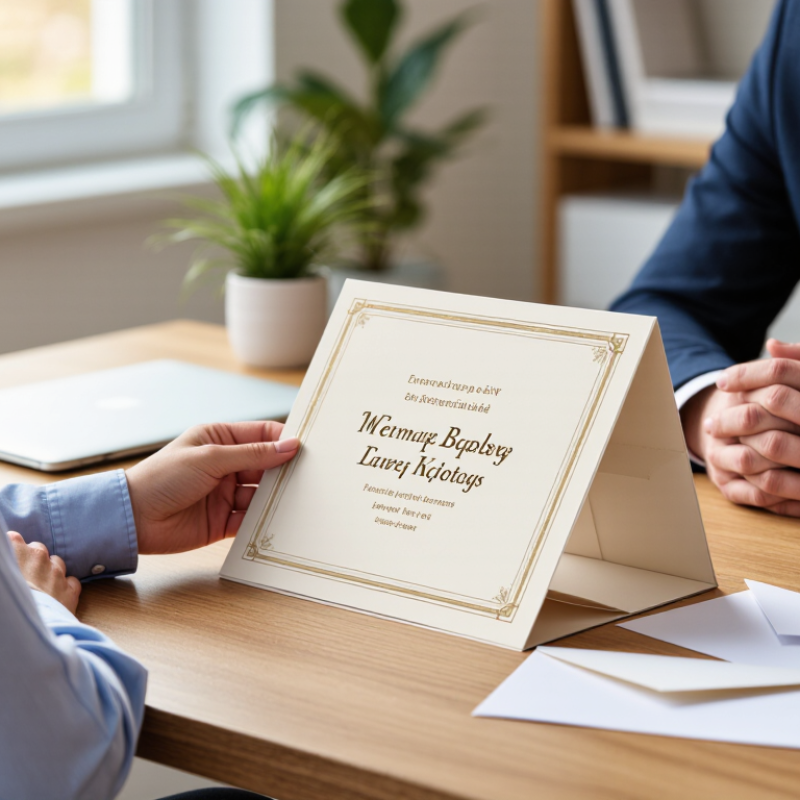
Why Choose Engagement Greeting Cards for Your Business?

What Engagement Greeting Cards Are and How They Support Business Communication

Why Choose Engagement Greeting Cards for Your Business?

Engagement greeting cards are thoughtful messages created to celebrate a customer’s, colleague’s, or partner’s engagement. They give businesses a personal way to acknowledge an important life event. Unlike a quick email, a card can create a lasting physical reminder of care and attention. A handwritten note, a clean envelope, and timely delivery can make the message feel genuine. In my experience, small details often influence how people remember a business.

These cards support business communication by adding warmth without weakening professionalism. They can strengthen client relationships, recognize employees, and encourage positive workplace culture. The message should remain sincere, brief, and appropriate to the relationship. Avoid assumptions about wedding plans, family traditions, or personal preferences. Not every recipient values a formal card. That is worth considering. A respectful, neutral message is usually safer than an overly familiar one. Businesses should also check spelling, job titles, and delivery information before sending anything.

Tips: Choose a simple design, use the recipient’s correct name, and write a specific sentence about their milestone. Send the card soon after learning the news. Keep the tone warm but professional. Avoid sales language inside a personal congratulations message. A signature from a real team member can add credibility. Digital cards may be practical, but printed cards often feel more memorable. Still, neither option works well when the message feels copied. Use a consistent review process, yet leave room for genuine human wording.

Key Benefits of Using Engagement Greeting Cards for Businesses

Why Choose Engagement Greeting Cards for Your Business?

Engagement greeting cards give businesses a personal way to recognize customers, employees, and professional partners. A carefully chosen card can mark a new partnership, completed project, customer anniversary, or team achievement. Unlike a generic email, it creates a physical moment on a desk or beside a coffee cup. That small detail can make appreciation feel more deliberate and memorable.

These cards also support stronger business relationships. A short message written in clear, natural language shows attention without demanding much time. For example, a sales manager might thank a client after a successful launch and mention one specific challenge the team overcame. This detail makes the message credible. It also demonstrates that the business remembers the relationship, not just the transaction. Consistent recognition can improve trust, employee morale, and customer loyalty when the message remains sincere.

Keep the process practical. Use accurate names, check spelling, and choose wording that suits the recipient’s role and culture. A card should never feel like hidden advertising. That can weaken the gesture. Results may also be difficult to measure, especially when the benefit appears months later through renewed cooperation. Businesses can track repeat engagement, feedback, and response rates, but numbers will not capture every emotional effect. Some cards may receive no reply. That does not always mean they failed.

Why Choose Engagement Greeting Cards for Your Business?

Key consumer benefits of using personalized engagement greeting cards

Personalized greeting cards can help businesses recognize important customer moments, create a more human connection, and encourage future purchases. The figures shown are survey-based findings related to personalization and customer experiences, which are central to effective engagement greeting card campaigns.

Sources: Epsilon, “The Power of Personalization,” 2018; Janrain, “Online Personalization: Consumers’ Perceptions,” 2019.

How Engagement Cards Strengthen Customer and Employee Relationships

Engagement greeting cards give businesses a human way to recognize important relationships. A thoughtful card can mark a customer anniversary, a successful project, or a helpful employee contribution. These moments feel different from automated emails because paper creates a physical reminder. A customer may keep it beside a desk, while an employee may share it with family.

In workplace programs, I have observed that timing matters as much as wording. A card arriving soon after a service milestone feels attentive and credible. For employees, notes tied to specific actions feel more sincere than general praise. Mentioning “your calm support during Tuesday’s delivery issue” shows that someone noticed. Use clear language, accurate names, and inclusive greetings. Small details matter. Teams should also record recipients and dates. This prevents repeated messages and keeps appreciation from feeling mechanical.

Not every card lands perfectly. A humorous message may confuse a formal customer, while excessive praise can sound manufactured. We have learned to review tone before signing, especially across cultures and professional roles. A short handwritten line often works better than a crowded paragraph. Still, cards cannot replace fair pay, responsive service, or honest communication. That limitation deserves attention. When the message matches real behavior, a signed card can open a more genuine conversation between customers, managers, and employees.

Choosing the Right Design, Message, and Personalization Options

Why Choose Engagement Greeting Cards for Your Business?

Engagement greeting cards help businesses recognize important moments with a personal touch. The right design should reflect the recipient, not only your company’s visual style. Soft colors and elegant typography suit a formal client, while brighter details may fit a close colleague. A crowded layout can weaken the message. I have learned that attractive design is not always effective design. Leave enough white space for a handwritten note.

The message should sound warm, specific, and sincere. “Congratulations on your engagement” is clear, but it may feel distant alone. Add a detail, such as appreciation for the recipient’s support or excitement about their future. Keep the tone appropriate for your relationship. Avoid jokes unless you know the recipient well. Even experienced teams sometimes choose wording that sounds too polished. Read it aloud before printing.

Tips: Check names, dates, and job titles carefully. Select paper that feels comfortable to write on. Match personalization to the recipient’s preferences. A short handwritten line can make a standard card feel memorable. If several people will sign, reserve space inside. Test one sample before ordering a large batch.

Why Choose Engagement Greeting Cards for Your Business? - Choosing the Right Design, Message, and Personalization Options

Decision Area Recommended Option Practical Specifications Business Advantage Best Use Case
Card Format A6 Portrait 105 × 148 mm when folded or supplied as a finished card format Compact, familiar, and economical for standard mailing campaigns Large customer appreciation mailings and general engagement announcements
Card Format 5 × 7 Inch 127 × 178 mm; provides more room for imagery and a longer message Creates a more substantial presentation while remaining easy to handle High-value customer relationships, partner communication, and milestone campaigns
Card Format Square Common planning size: 140 × 140 mm; verify postal requirements before mailing Distinctive shape that can make the card more visually memorable Creative industries, event-related greetings, and premium presentation campaigns
Paper Weight 250–300 gsm Balanced card stock suitable for everyday professional greeting cards Offers a firm feel without unnecessarily increasing mailing weight Routine customer engagement and medium-volume business campaigns
Paper Weight 350 gsm or higher Heavier stock with a more rigid, premium feel; check postage thresholds Supports a stronger quality impression for important relationships Executive correspondence, strategic partners, and premium client programs
Cover Design Minimal and Elegant One focal image, restrained colors, and clear visual hierarchy Keeps the message central and works across different customer groups Professional services, financial communication, and formal business relationships
Cover Design Colorful and Celebratory Bright palette, celebratory illustration, and visible engagement-themed wording Communicates warmth and excitement at first glance Retail, hospitality, event planning, and community-focused campaigns
Message Length Short Message Approximately 15–30 words, excluding the signature Easy to read and efficient for high-volume personalization Automated campaigns, broad customer lists, and handwritten-style formats
Message Length Personal Note Approximately 40–80 words with a specific reference to the recipient Makes the communication feel more considered and relationship-focused Key accounts, long-term clients, and individually managed relationships
Personalization Recipient Name Use the recipient’s preferred name and confirm spelling before production Adds immediate relevance with a simple data field Scalable direct-mail and customer relationship campaigns
Personalization Specific Milestone Reference a relevant event, project, purchase, or relationship milestone Demonstrates attention and makes the greeting less generic Account management, client retention, and partnership development
Signature Named Sender Include the sender’s name and role when appropriate Creates accountability and a more human point of contact Sales, customer success, account management, and executive outreach
Finishing Matte Finish Low-reflection surface that is generally comfortable to read and write on Supports a calm, refined appearance and practical handwritten notes Professional, thoughtful, and relationship-oriented greetings
Finishing Gloss Finish Reflective coating that emphasizes color and image contrast Makes colorful artwork and photographic designs more vivid Visual campaigns where image impact is more important than handwriting space
Mailing Plan Standard Envelope Choose an envelope that fits the folded card and confirm local postal size and weight rules Reduces handling problems and supports predictable mailing preparation Routine domestic and international card distribution
Quality Control Proof Before Production Check names, dates, addresses, colors, folds, and message alignment Prevents avoidable personalization and production errors Every campaign, especially when variable customer data is included

Best Practices for Using Engagement Greeting Cards Effectively

Why Choose Engagement Greeting Cards for Your Business?

Engagement greeting cards can turn routine communication into a memorable customer experience. They work well for client anniversaries, employee milestones, and thoughtful thank-you moments.

A physical card also adds texture: thick paper, a handwritten name, and a message that fits the recipient’s situation. According to McKinsey’s 2021 personalization report, 71% of consumers expect personalized interactions. Yet, personalization must feel relevant, not automated. A generic card may weaken trust instead of building it.

Tips: Keep the message specific and brief. Mention a shared project, recent achievement, or meaningful milestone. Use clean design, readable type, and high-quality paper. Track delivery dates carefully, especially for anniversaries or renewal periods. Record responses and repeat-purchase changes, but avoid treating every positive reply as proof of success. Business results may take time.

In practice, teams often send cards only during holidays. That is a missed opportunity. A card after a difficult project or a quiet customer win can feel more sincere. The Greeting Card Association estimates that billions of greeting cards are purchased annually in the United States, showing that physical cards remain familiar communication tools. Still, popularity does not guarantee impact. One weakness deserves honesty: a beautiful card cannot repair poor service. It should support a genuine relationship, not disguise one.

FAQS

What are engagement greeting cards in business communication?

They are thoughtful messages celebrating a customer’s, colleague’s, or partner’s engagement. A handwritten note can feel more personal than a quick email.

How can these cards support business relationships?

They add warmth while preserving professionalism. They can recognize employees, strengthen client connections, and support a positive workplace culture.

What should an engagement card message include?

Use the recipient’s correct name and mention the milestone clearly. Keep the wording sincere, brief, and relevant.

When should a business send the card?

Send it soon after learning the news. Delayed delivery can make a thoughtful gesture feel routine.

Should the message mention wedding plans or family traditions?

Avoid assumptions about future plans, traditions, or personal preferences. A neutral congratulations message is usually safer.

Is a printed card better than a digital card?

Printed cards offer texture, handwriting, and a physical keepsake. Digital cards are practical, but copied wording can weaken either format.

How can teams personalize cards without sounding automated?

Mention a shared project, recent achievement, or meaningful moment. One specific sentence often feels stronger than several general compliments.

Can greeting cards improve business results?

They may support loyalty and positive responses, but results can take time. A beautiful card cannot repair poor service.

What details should businesses check before sending?

Review spelling, job titles, names, and delivery information. A small error can overshadow the intended kindness.

What is one common mistake with engagement cards?

Sending cards only during holidays can make communication feel predictable. A message after a difficult project may feel more genuine.

Conclusion

Engagement Greeting Cards are a thoughtful communication tool that businesses can use to celebrate milestones, recognize achievements, and express genuine appreciation. Whether sent to customers, employees, partners, or colleagues, these cards add a personal touch that standard digital messages often lack. They can help create positive impressions, strengthen loyalty, improve workplace morale, and support long-term relationships by showing that the business values meaningful connections.

To use Engagement Greeting Cards effectively, businesses should choose designs that match the occasion and reflect a warm, professional tone. Messages should be sincere, clear, and appropriate for the recipient, while personalization such as names, specific achievements, or shared experiences can make each card more memorable. Sending cards at the right time, maintaining consistent quality, and coordinating them with broader communication efforts can increase their impact. With thoughtful planning, Engagement Greeting Cards become a simple yet effective way to make business communication more human and memorable.

Oliver

Oliver

Oliver is a professional marketing specialist with a deep understanding of the company’s products, customers, and industry trends. With a strong combination of strategic thinking, market insight, and product knowledge, he helps communicate the value of the company’s solutions in a clear, practical,......