
Independent UK publisher of artist-illustrated greeting cards, stationery & gifts
0%

Choosing the right New Baby Cards can feel surprisingly personal. A card may welcome a newborn, comfort tired parents, or preserve a moment they will treasure years later. The best choice depends on the family, the occasion, and the message you genuinely want to share.

In this guide, we will explore card styles, materials, wording, and practical design details. Soft watercolor animals may suit a calm nursery, while bold colors can feel cheerful and modern. A folded card offers room for a longer message, but a simple postcard may be easier to display. Paper quality matters too. Thick, responsibly sourced cardstock feels substantial and protects handwritten notes from bending. It is a small detail, but recipients often notice it.

A thoughtful message should sound sincere, not copied from a generic template. Mentioning the baby’s name, birth date, or a memorable family detail can make the card more meaningful. However, personal information should be checked carefully before printing. Even experienced writers can overlook a spelling error during a busy celebration. That mistake can weaken an otherwise beautiful gesture.

We will also consider cards for different relationships, including close friends, relatives, coworkers, and new parents. Some designs include photographs, keepsake elements, or space for a personal blessing. Others focus on recyclable packaging and minimal decoration. There is no universal winner. The strongest New Baby Cards balance warmth, usability, visual appeal, and respect for the family’s preferences.
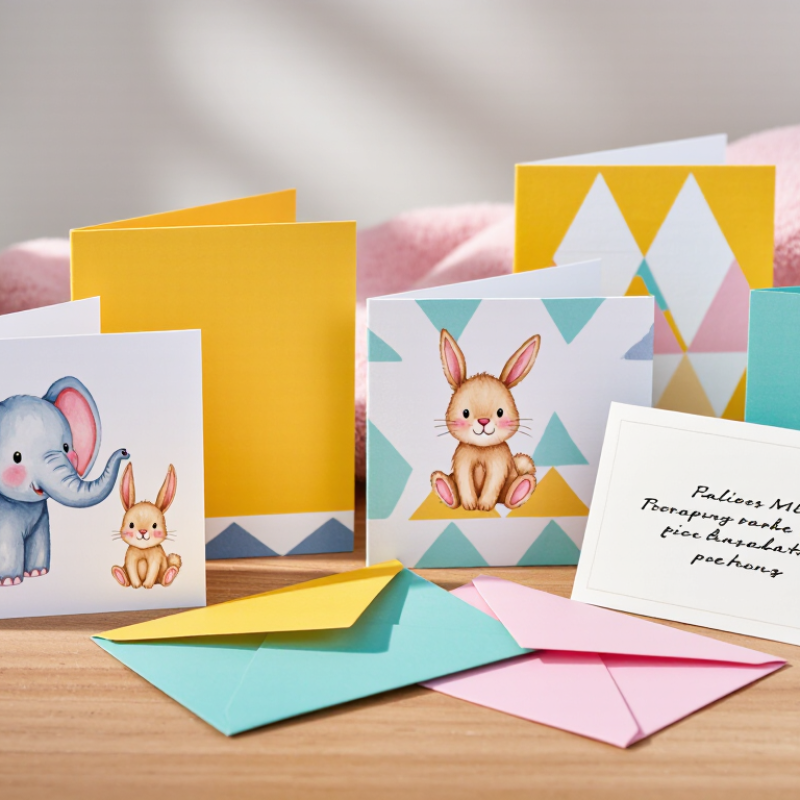
What Type of New Baby Cards Are Best?

Types of New Baby Cards and Their Distinctive Features

What Type of New Baby Cards Are Best?

New baby cards come in several types, each with a different purpose and visual mood. Photo cards celebrate the child immediately, using one clear image and essential details. They work well for relatives who live far away. Milestone cards highlight birth weight, time, and length, creating a small record for the baby book. Keep the information accurate. A tiny mistake can become surprisingly awkward.

Minimalist cards use soft colors, clean spacing, and limited decoration. Their calm design suits modern homes and formal family circles. Handmade cards feel warmer because of textured paper, stitched details, or painted elements. However, delicate decorations may loosen during mailing. Choose secure attachments and a sturdy envelope. Simple can be safer.

Personalized cards may include the baby’s name, birth date, or a short family message. Gender-neutral designs offer flexible colors and avoid predictable themes. Digital cards arrive quickly and suit distant contacts, but printed cards feel more lasting in a memory box. In my experience, readable type matters more than elaborate artwork. I once selected a beautiful card with pale lettering, and several guests struggled to read it. Use archival-quality ink when possible, especially for keepsakes. Eco-conscious cards made from recycled paper reduce material waste, although their texture may feel less smooth. Check the paper weight before ordering.

How to Choose Cards for Different Baby-Related Occasions

What Type of New Baby Cards Are Best?

The best new baby card depends on the occasion, relationship, and message you want to share. A birth announcement card should feel clear and joyful, with the baby’s name, birth date, and a simple photograph. For a baby shower, choose a playful design that matches the parents’ personality.

A congratulations card can be warmer and more personal, especially when you mention the family’s new daily routines. For a welcome-home occasion, soft colors and comforting words usually work well. A thank-you card should leave enough space for a handwritten note.

Consider the recipient’s culture, faith, and comfort with humor before choosing the tone. Avoid jokes about sleepless nights unless you know the parents well. I once selected a clever card that felt slightly careless after rereading it. That experience changed how I review wording. Small details matter.

Tips:

Check the card size, paper strength, and envelope before buying. Make sure the writing is easy to read, especially for older relatives. Add a specific memory or kind wish instead of using only a printed message.

For a new baby, practical wishes can feel sincere: peaceful naps, gentle recovery, and joyful first moments. Digital cards offer speed, but physical cards may become keepsakes. Neither choice is always better. Consider timing, distance, and the family’s preferences.

Key Materials, Designs, and Personalization Options

What Type of New Baby Cards Are Best?

A dependable new baby card starts with the material. Choose sturdy, acid-free cardstock around 250–350 gsm. It feels substantial without becoming difficult to mail. A matte surface usually makes handwritten messages easier to read. Recycled paper can be an excellent choice, but its texture may affect fine printing. Check the paper’s finish before ordering.

Design should feel warm, clear, and practical. Soft colors, gentle illustrations, and generous white space create a calm appearance. High contrast helps older relatives read the message comfortably. Avoid loose glitter, sharp decorations, or detachable pieces. The card may be handled near an infant, so simple construction is safer. Small details matter.

Personalization gives the card emotional value. Add the baby’s name, birth date, or a short family message. Confirm every spelling and number carefully. One incorrect date can spoil an otherwise thoughtful card. Mentioning the baby’s interests may sound charming, but those interests are still developing. Keep the wording sincere rather than overly certain.

“Wishing your family peaceful nights and joyful mornings” feels personal without making promises.

I once preferred heavily decorated cards, but they often looked crowded in person. A quieter design usually photographs better and leaves room for a meaningful note. Choose readable fonts, balanced spacing, and materials that match the sender’s values. For uncertain details, ask the parents instead of guessing.

Matching Card Styles with Parents’ Preferences and Needs

What Type of New Baby Cards Are Best?

The best new baby card matches the parents’ daily life, not only the baby’s arrival. The Greeting Card Association reports that around 90% of U.S. households buy greeting cards. That suggests personal choice still matters. For traditional families, choose soft colors, hand-drawn animals, and warm wording. For minimalist parents, use clean lines, white space, and one meaningful sentence. Avoid excessive glitter. It can feel beautiful, but it may become wasteful or difficult to recycle.

Practical needs also shape the right card style. Parents with limited space may appreciate a slim card with a small keepsake feature. A blank interior gives them room to save a birth date, weight, or short family message. The U.S. Environmental Protection Agency reports that paper and paperboard made up 23.1% of municipal solid waste in 2018. Recycled paper and simple designs can therefore support a lower-waste choice. Check the material claims carefully, though. “Eco-friendly” is not always precise. Parents may also prefer gender-neutral colors, especially when the baby’s identity and nursery style are still developing. I once assumed bright designs felt more joyful. That was too simple. A quiet card, with a tiny moon and generous space, can feel more thoughtful.

What Type of New Baby Cards Are Best? - Matching Card Styles with Parents’ Preferences and Needs

Card Style Best Match for Parents Who Prefer Typical Design Features Practical Benefits Potential Limitations Recommended Personalization Overall Suitability
Minimalist Card Clean layouts, neutral colors, and simple wording. White space, soft typography, limited decoration, and one central message. Easy to read, gender-neutral, and suitable for modern home decor. May feel too understated for parents who enjoy highly decorative designs. Use the baby’s name, birth date, or a short personal message. ★★★★★
Photo Card Sharing a personal family moment with relatives and friends. One or more baby photographs with space for birth details and greetings. Creates a personal keepsake and communicates the baby’s arrival clearly. Requires a suitable photograph and may reveal more personal information. Add a favorite image, birth statistics, and a brief family greeting. ★★★★★
Illustrated Card Playful artwork, storybook themes, and cheerful visual details. Hand-drawn animals, stars, clouds, flowers, or other gentle illustrations. Friendly, memorable, and appropriate when no baby photograph is available. Some illustrations may not suit parents with more restrained tastes. Choose colors and motifs connected to the nursery or family interests. ★★★★☆
Luxury Textured Card Premium stationery, tactile details, and formal presentation. Thick paper, embossed elements, foil-style accents, or layered construction. Feels substantial, polished, and appropriate for formal announcements. Heavier construction can increase mailing weight and storage needs. Use restrained colors, classic wording, and a carefully chosen photograph. ★★★★☆
Eco-Conscious Card Reduced waste, responsible materials, and practical sustainability. Recycled or responsibly sourced paper, minimal packaging, and simple printing. Supports lower-material gifting and can be aligned with environmentally aware values. Special finishes and complex embellishments may be less available. Include a concise message and avoid unnecessary inserts or plastic wrapping. ★★★★☆
Interactive Card Memorable experiences, playful details, and family participation. Fold-out panels, moving parts, removable notes, or a simple activity. Encourages interaction and can be especially engaging for older siblings. Moving parts may be less durable and can require additional envelope space. Add a sibling message, family prediction, or short welcome activity. ★★★☆☆
Religious or Cultural Card Traditions, faith-based messages, or culturally meaningful symbols. Traditional blessings, meaningful motifs, and wording suited to the family’s customs. Shows cultural awareness and can carry strong emotional significance. Symbols and wording should be selected carefully to respect the family’s beliefs. Use an appropriate blessing, greeting, language, or traditional color palette. ★★★★★
Practical Information Card Clear communication and helping guests understand family preferences. Birth announcement combined with contact details, visiting guidance, or gift preferences. Can reduce repeated questions and communicate boundaries respectfully. Too much information may make the card feel crowded or impersonal. Include only essential details and review all contact information before sending. ★★★★★
Selection tip: The best new baby card balances the parents’ visual taste with practical needs such as readability, personalization, cultural relevance, material preferences, and the amount of information they want to share.

Practical Factors: Quality, Budget, Delivery, and Presentation

What Type of New Baby Cards Are Best?

A strong new baby card balances quality, budget, delivery, and presentation. Choose thick, smooth cardstock that resists bending in a standard envelope. A 300 gsm card usually feels substantial without becoming unnecessarily expensive. Check the fold and print alignment carefully. Small flaws remain visible.

Baymard Institute’s 2024 checkout research reports an average online cart abandonment rate of 70.19%. Its findings also identify extra costs as a major reason for abandonment. For card buyers, transparent pricing matters. Show the card, envelope, delivery fee, and estimated arrival date together. A simple card costing less can be more practical than an elaborate design with unexpected postage. Keep it legible. Metallic ink and heavy decoration may look attractive, but they can affect writing space and mailing weight.

Delivery should match the occasion’s timing. Allow extra days for rural addresses, weekends, and seasonal congestion. Tracking adds reassurance for a gift sent directly to new parents.

Presentation also shapes the experience. A protective sleeve, neat envelope, and small blank area for a personal message create useful value. Paper and packaging research consistently shows that consumers notice recyclability, but claims must be specific and verifiable. Do not call materials eco-friendly without evidence.

I have seen beautiful cards arrive creased because presentation was treated as an afterthought. The perfect choice is not always the most decorative one. Timing matters.

FAQS

What type of new baby card suits relatives who live far away?

Photo cards work well because one clear image shares the baby’s arrival immediately. Add the birth date and a short message.

When are milestone cards a good choice?

Choose them for recording birth weight, length, and arrival time. Check every number twice. Tiny mistakes can feel awkward later.

What materials make a new baby card feel durable?

Choose sturdy, acid-free cardstock around 250–350 gsm. Matte paper usually makes handwritten notes easier to read. It feels substantial.

Are handmade baby cards practical for mailing?

Handmade cards feel warm through textured paper, stitching, or painted details. Secure every attachment. Loose decorations may detach inside the envelope.

What design works for minimalist parents?

Use soft colors, clean spacing, and one meaningful sentence. A tiny moon can feel more thoughtful than crowded decoration.

Are gender-neutral baby cards a flexible option?

Yes. Gentle green, cream, yellow, or gray can suit many families. Avoid assuming the nursery style or the child’s future preferences.

Should a baby card be printed or digital?

Digital cards arrive quickly and suit distant contacts. Printed cards feel more lasting in a memory box. I sometimes value paper more.

How should a personalized message be written?

Include the baby’s name, birth date, or a sincere family message. Confirm spelling carefully. “Wishing peaceful nights and joyful mornings” stays warm without overpromising.

What should people consider when choosing recycled paper?

Recycled paper can reduce material waste, but its texture may affect fine printing. Check the paper weight and finish. “Eco-friendly” needs careful checking.

How can a card remain safe around an infant?

Avoid loose glitter, sharp pieces, and detachable decorations. Choose smooth surfaces and secure construction. Simple can be safer.

Conclusion

Choosing the best New Baby Cards depends on the occasion, the relationship with the family, and the parents’ personal taste. Some cards are designed for congratulations, while others are better suited for baby showers, birth announcements, welcome-home messages, or milestone celebrations. Consider whether the parents prefer a classic, playful, modern, minimalist, or handmade style. Materials such as quality paper, textured finishes, thoughtful illustrations, and durable envelopes can make the card feel more special. Personalization options, including the baby’s name, a meaningful message, or a memorable date, can also add emotional value.

Practical details are equally important when selecting New Baby Cards. Compare the card’s quality with your budget, check delivery times if the card is needed for a specific event, and choose presentation details that create a warm first impression. By balancing design, personalization, cost, convenience, and the parents’ preferences, you can choose a card that feels sincere, attractive, and appropriate for the occasion.

Amelia

Amelia

Amelia is a professional marketing specialist with a strong understanding of customer needs, market trends, and effective digital communication. As a dedicated member of the company’s marketing team, she combines strategic insight with extensive knowledge of the company’s products and services. Her......