
Independent UK publisher of artist-illustrated greeting cards, stationery & gifts
0%

Choosing a workout journal sounds simple until your sessions become hard to track. Exercise Notebooks in 2026 come in many formats, from compact training logs to guided planners with room for goals, notes, and progress checks. The right choice should make useful details easy to record, not turn every workout into paperwork.

This guide compares notebooks by practical features: paper quality, binding, layout, writing space, portability, and ease of use. A sturdy cover matters when a notebook travels in a gym bag. Clear spaces for sets, repetitions, weights, and rest times can help you review training without relying on memory. Small details count.

No notebook is perfect.

Some formats offer detailed prompts but feel crowded. Others leave plenty of blank space but provide little structure. Your ideal option depends on how you train, what you want to monitor, and whether you prefer a dated planner or flexible pages. We’ll explain these trade-offs rather than treating one design as best for everyone.

The recommendations focus on features readers can verify, including product specifications and everyday usability. Still, layouts and availability may change, so check current details before buying. A notebook can support consistency, but it cannot guarantee results. Even a simple log may reveal patterns you otherwise miss—though it is easy to skip entries on a busy week. The aim is to help you find a practical companion for your routine, not another task to feel guilty about.
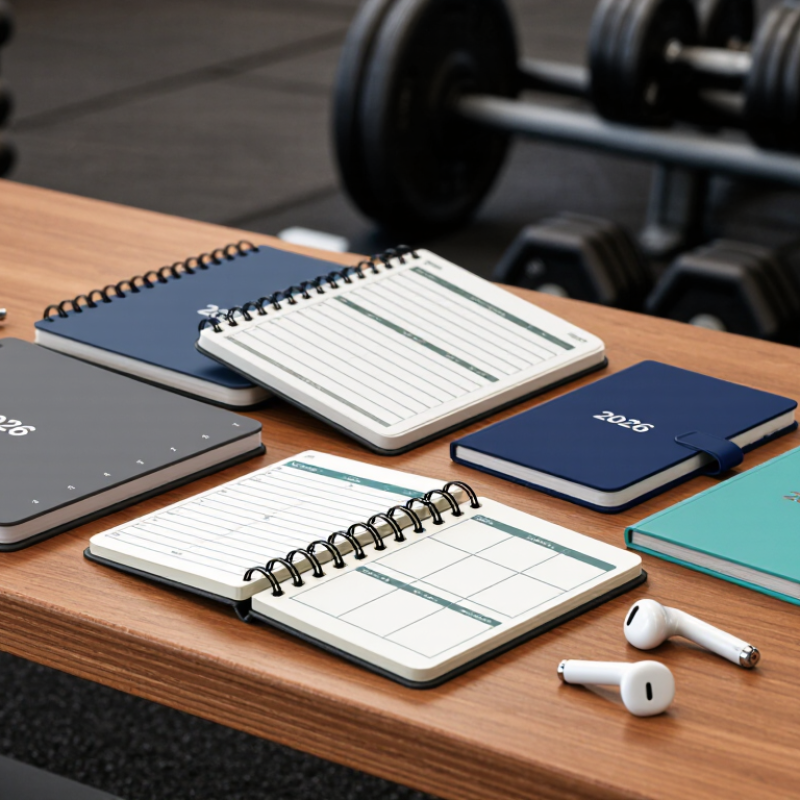
What Are the Top Exercise Notebooks in 2026?

What Defines an Exercise Notebook in 2026?

In 2026, an exercise notebook is a practical record of what you did, how it felt, and what you might change next time. It can be paper or digital. The format matters less than whether you can use it consistently. A useful entry might note a 25-minute walk, the route’s steep hill, your energy level, and any discomfort. Small details make patterns easier to notice. Not every workout needs a long report.

What defines a strong notebook is clarity without needless complexity. It should leave room for dates, activities, duration, effort, and brief notes on recovery or mood. Simple prompts can help, but rigid targets may not suit changing schedules or bodies. A missed entry is not a failed plan. Keep the record honest. Over time, compare similar sessions rather than chasing numbers in isolation. If a note repeatedly mentions pain, unusual fatigue, or declining performance, consider adjusting the activity and seeking qualified guidance when appropriate. The notebook supports judgment; it does not replace it. Some weeks will look messy. That is useful information, too.

Key Features for Comparing Exercise Notebooks

When comparing exercise notebooks in 2026, look beyond cover design. Paper quality affects how smoothly pencils and pens move, while page thickness helps limit ink showing through. Check whether the layout gives enough room for sets, repetitions, weights, and brief notes. A dated planner can help track routines, but flexible pages may suit changing schedules better. Small details matter.

Durability is practical, not decorative. A notebook should stay open on a bench and tolerate being carried in a gym bag. Look for sturdy binding, readable print, and clear sections for dates and progress. If possible, test a sample page with your usual pen. One limitation is easy to miss: a highly detailed template can feel tedious when you are tired or short on time. The best format is the one you will actually keep using.

Tips: Record one useful detail after each session, such as load, energy, or form. Keep entries brief. Review a few weeks at a time, and adjust your routine based on patterns rather than one unusually good or difficult day.

Top Exercise Notebook Types by Use Case

What Are the Top Exercise Notebooks in 2026?

Top Exercise Notebook Types by Use Case

The right exercise notebook depends on what you need to remember. For strength training, choose a structured log with space for exercise names, sets, repetitions, weight, and rest time. A small notes field helps record details such as “right knee felt stiff” or “last set slowed down.” Those observations can make later comparisons more useful than numbers alone. Keep entries factual; a notebook is a record, not a diagnosis.

For running, cycling, or mixed workouts, a dated journal with room for duration, distance, route, and perceived effort works well. Grid or blank notebooks suit people who change routines often, though they require consistent headings to make progress easy to review. Coaches may prefer a larger format with pages for session plans, attendance, and follow-up notes. Small notebooks fit gym bags, but cramped writing gets old quickly. I have found that overly detailed templates can also become a chore; missed entries happen. Pick a layout you can use after a tiring session, and leave a little space for what the numbers miss: sleep, energy, or an unexpected change in the workout.

How Paper, Layout, and Binding Affect Daily Use

What Are the Top Exercise Notebooks in 2026?

A top exercise notebook is one you can use comfortably, not just one with an attractive cover. Paper affects how quickly you can record sets, repetitions, and short notes. Choose pages that handle your usual pen without smearing or letting ink show through too heavily. If you track workouts after a sweaty session, a sturdy cover and pages that lie flat can make writing easier. Small details matter.

Tips: Before buying, write a few numbers on a sample page. Open the notebook flat, then check whether its binding stays open near the middle. Leave room for notes beside your planned exercises.

Layout shapes daily use, too. Dated pages suit regular routines, while flexible grids work better when training days shift. Look for clear spaces for weight, repetitions, rest, and how a set felt. A crowded template can turn a quick log into paperwork. Too much blank space may be just as frustrating. There is no perfect format; even a well-made notebook may not fit every week. Notice which fields you actually fill in, and which ones you keep skipping.

Choosing the Right Exercise Notebook for Your Routine

Choosing the right exercise notebook starts with your actual routine, not an ideal one. If you lift weights, look for space to record sets, repetitions, loads, and rest times. Runners may prefer dated pages for distance, pace, route, and how the session felt. A simple weekly grid can work better than detailed charts when workouts vary. Small details matter.

The American College of Sports Medicine’s 2025 Worldwide Fitness Trends survey ranked wearable technology as the leading fitness trend among professionals. A paper notebook can complement those devices by capturing context they may miss: poor sleep, a stiff knee, or why you stopped early. Keep the format practical. If logging every detail feels like homework, record only the measures that guide your next session. I would still leave a few blank lines; real routines rarely follow a perfect template.

For frequent gym use, choose sturdy binding and pages that lie flat on a bench. A compact notebook travels easily, but cramped writing can make progress hard to review. Beginners might track consistency and effort before adding technical metrics. Experienced athletes may need dedicated pages for training blocks and recovery notes. Check that dates, units, and exercise names are easy to find at a glance. Fancy layouts can distract. Your best notebook is the one you can keep using when motivation dips.

FAQS

What is an exercise notebook?

It records activities, duration, effort, and how a session felt. Paper or digital both work.

What details should I write after a workout?

Note the activity, time, effort, and one useful detail. For example, record a steep hill or stiff knee.

Which notebook layout suits strength training?

Choose pages with room for exercises, sets, repetitions, weights, and rest times. A small notes section helps capture changes in form.

What should runners or cyclists record?

Include the date, duration, distance, route, and perceived effort. Add a brief note about energy or unexpected conditions.

Are flexible pages better than dated planners?

Flexible pages can suit changing routines. Use consistent headings, though, or comparing sessions may become harder.

What physical features are worth checking?

Look for sturdy binding, readable print, and paper that limits ink showing through. Test a page with your usual pen if possible.

What if I miss a few entries?

A missed entry is not a failed plan. I still forget sometimes. Resume with the next session, without inventing details.

How can a notebook guide changes to my routine?

Review several similar sessions, not just one unusually good or difficult day. Repeated pain or unusual fatigue may call for adjustment and qualified guidance.

Conclusion

In 2026, Exercise Notebooks are more than places to record workouts: they help turn intentions into consistent routines. The right notebook makes it easy to track exercises, sets, repetitions, time, progress, and personal notes. When comparing options, consider clear layouts, enough room to write, useful tracking sections, portability, and a format that suits how often you train. Some notebooks are designed for structured strength sessions, while others work better for cardio, flexible fitness plans, or general activity tracking.

Paper quality, page design, and binding can shape the everyday experience. Durable paper can handle frequent use, a legible layout makes entries quick to scan, and a binding that opens comfortably helps when writing during or after a session. To choose well, think about your goals, preferred level of detail, training schedule, and whether you want a guided format or more freedom. The best choice is the one you will use regularly and that makes progress easy to review.

Amelia

Amelia

Amelia is a professional marketing specialist with a strong understanding of customer needs, market trends, and effective digital communication. As a dedicated member of the company’s marketing team, she combines strategic insight with extensive knowledge of the company’s products and services. Her......